






































Principle
The foundational model that defines how the interface is structured and behaves.
Philosophy
The system is defined as a way of thinking about interfaces. It describes how decisions are made so the work remains consistent as it evolves.
The system is defined through its underlying logic and structure. This foundation supports consistent application across different contexts.
A common understanding of intent shapes how the system is used. Consistency develops through shared perspective and practice.
The system provides guidance for making design decisions. It supports clarity while allowing flexibility for context.
Anatomy

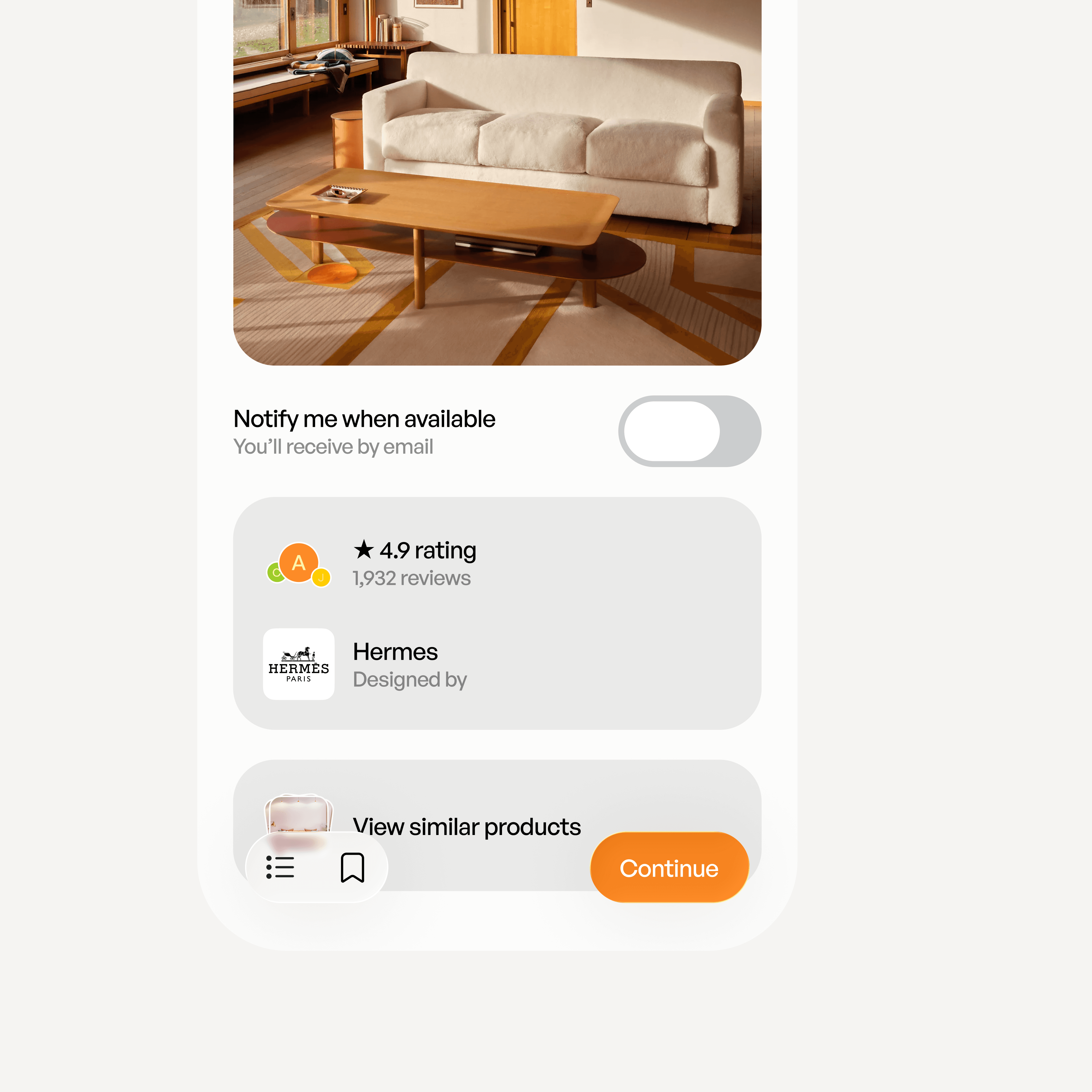
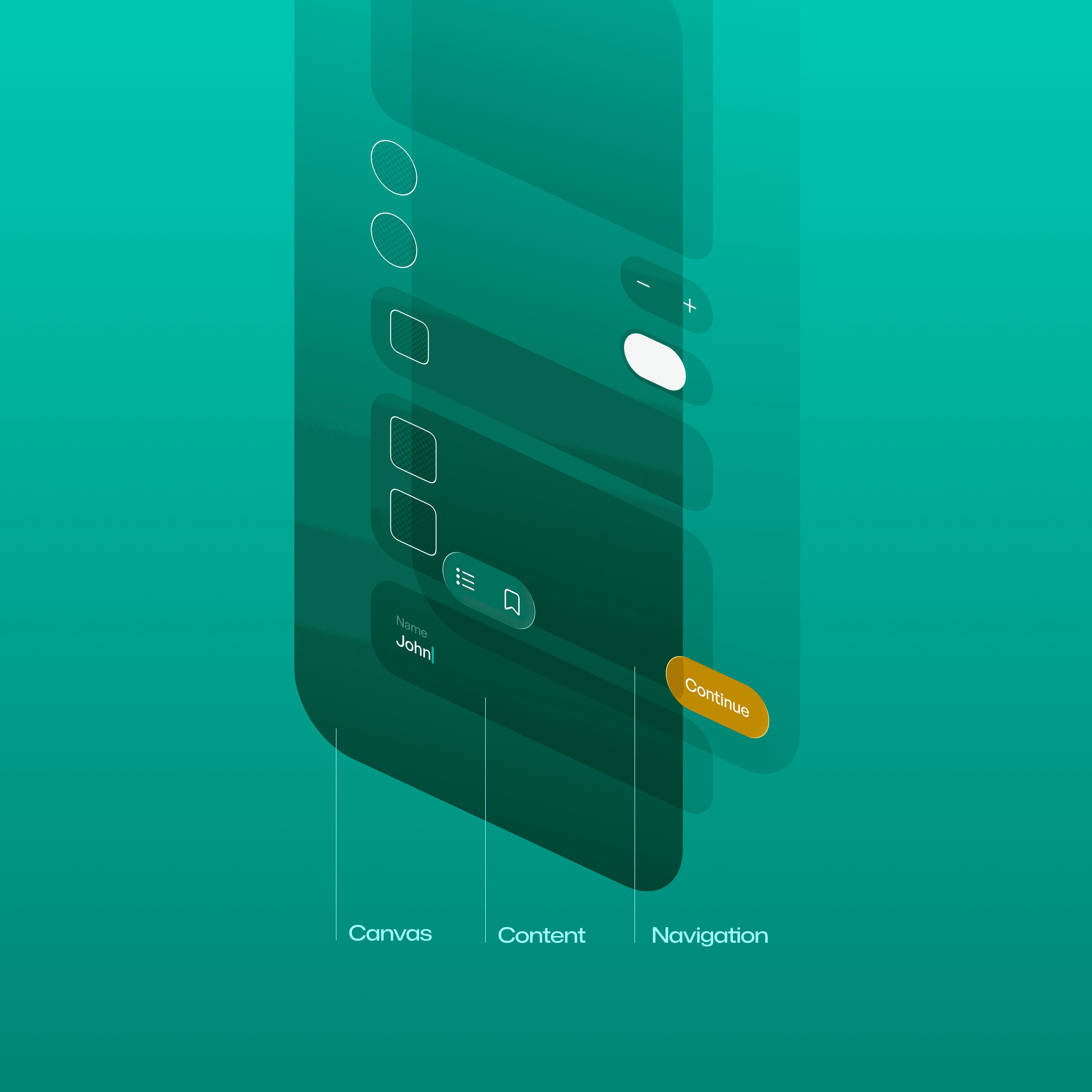
Canvas
The base surface where everything lives.
A bounded space that holds the experience, whether plain, colored, or media.

Content layer
The functional layer of the screen.
Holds information and interactions, where every interactive element sits on a defined surface.
Navigation layer
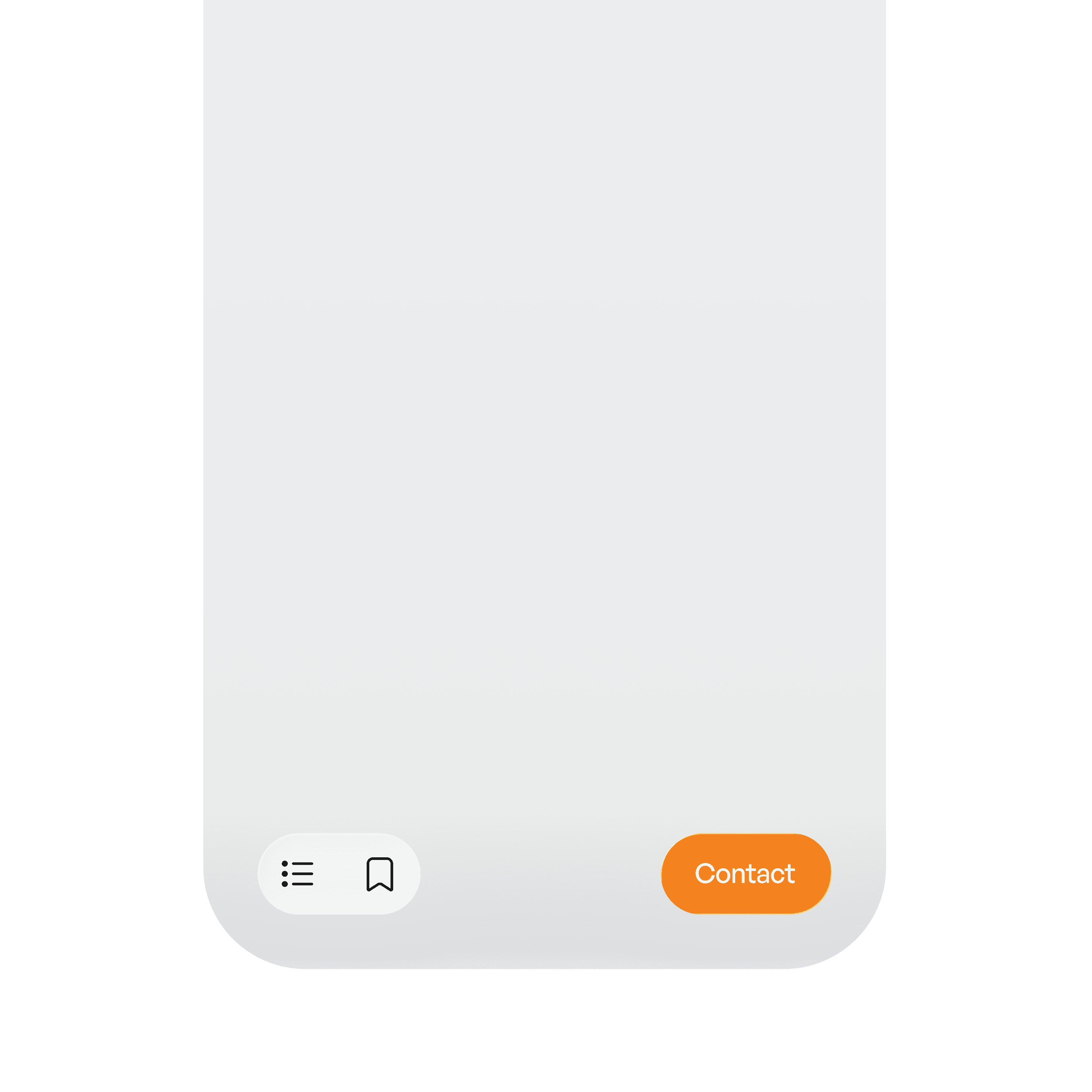
The control layer above the interface.
Guides movement and actions across the system, visually lifted to stay distinct and always accessible.
Real-world example