The Psychology Behind It
Humans rely on past experiences to interpret new interactions. Skeuomorphic design leverages cognitive associations to make digital experiences feel intuitive by resembling their real-world counterparts. This reduces the learning curve and increases usability.
Real-World Applications
Digital Notebooks & Sticky Notes: Apps like Apple Notes resemble paper notebooks.
Calculator Apps: Designed to look like physical calculators.
Trash Bin Icons: Represent real-world trash cans for deletion.
Button Shadows & Textures: Make UI elements feel tangible.
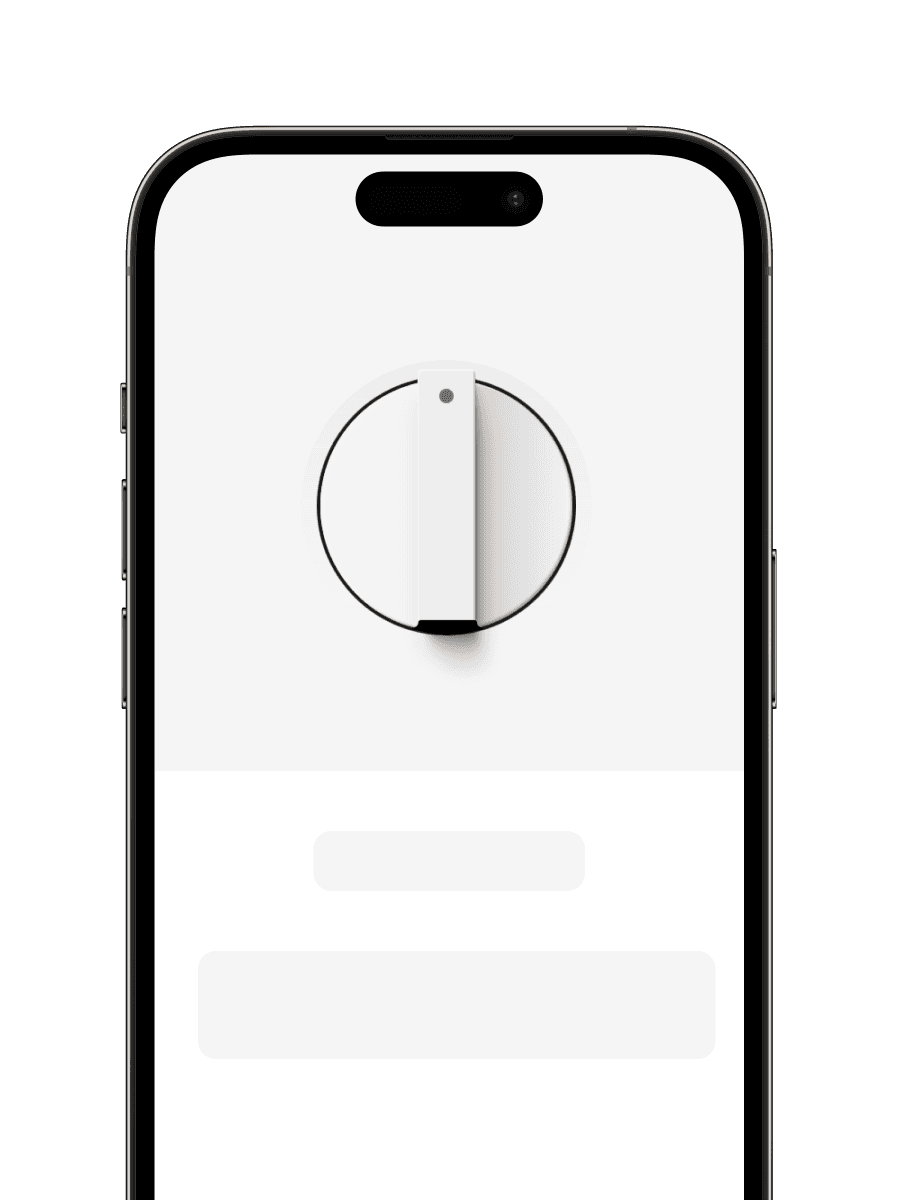
Visual Example
Common Mistakes
Mistake: Overuse of skeuomorphic elements, making interfaces cluttered or outdated.
Fix: Use skeuomorphism selectively to enhance usability, not just aesthetics.
How to Apply It
Use real-world metaphors to make digital actions intuitive.
Apply textures and shadows subtly for depth without excessive realism.
Combine with flat design (e.g., neumorphism) for a modern feel.
Avoid unnecessary embellishments that don’t improve usability.
Key Takeaways
Skeuomorphism makes digital experiences feel familiar and intuitive.
It’s effective for onboarding new users and bridging physical-to-digital transitions.
Modern design blends skeuomorphic elements with minimalism for balance.
User Psychology 3
Psychology Behind UX Design