Top 5 Design System Documentation in 2026 (And What They Get Right)

Introduction
Most design system documentation looks complete.
Everything is there. Components, tokens, guidelines.
But when you actually try to use it while designing a real product, you start asking questions the documentation doesn’t answer.
That’s the gap.
Good documentation isn’t about covering everything.
It’s about helping you make decisions while you design.
These five systems approach that problem differently.
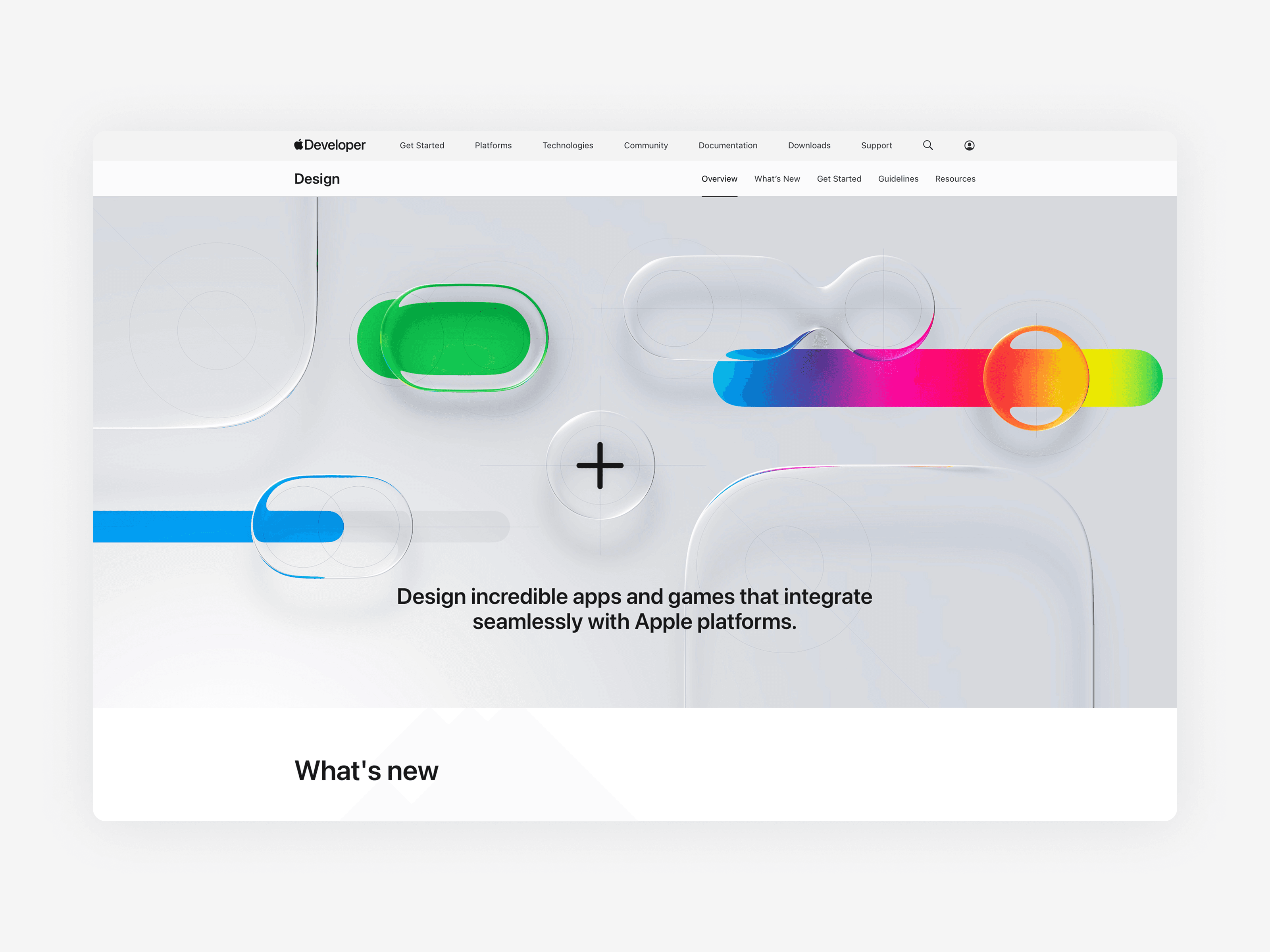
1. Apple Human Interface Guidelines
What it gets right
Apple’s documentation is not trying to be exhaustive.
It’s trying to be clear.
Focus on principles over components
Strong emphasis on behavior and intent
Every guideline feels tied to a real user experience
Where it’s different
It doesn’t try to give you everything.
It assumes you’ll make decisions.
Takeaway
Apple’s strength is clarity over completeness.
It teaches you how to think, not just what to use.
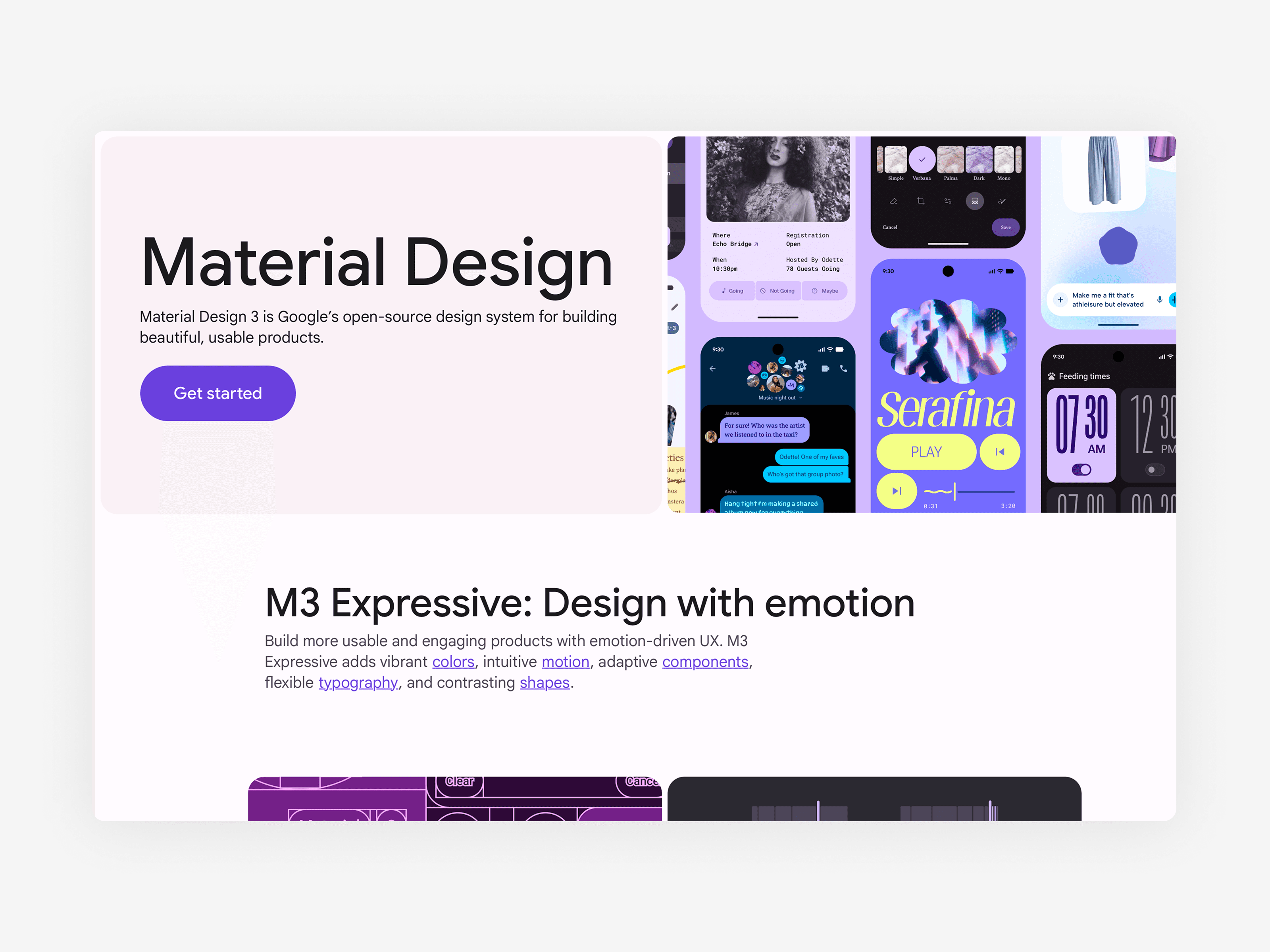
2. Google Material Design
What it gets right
Material Design is built for scale.
Highly structured documentation
Clear categorization of components and patterns
Deep coverage of interactions, motion, and theming
Takeaway
Material excels as a reference system.
It’s powerful, but requires effort to translate into your product.
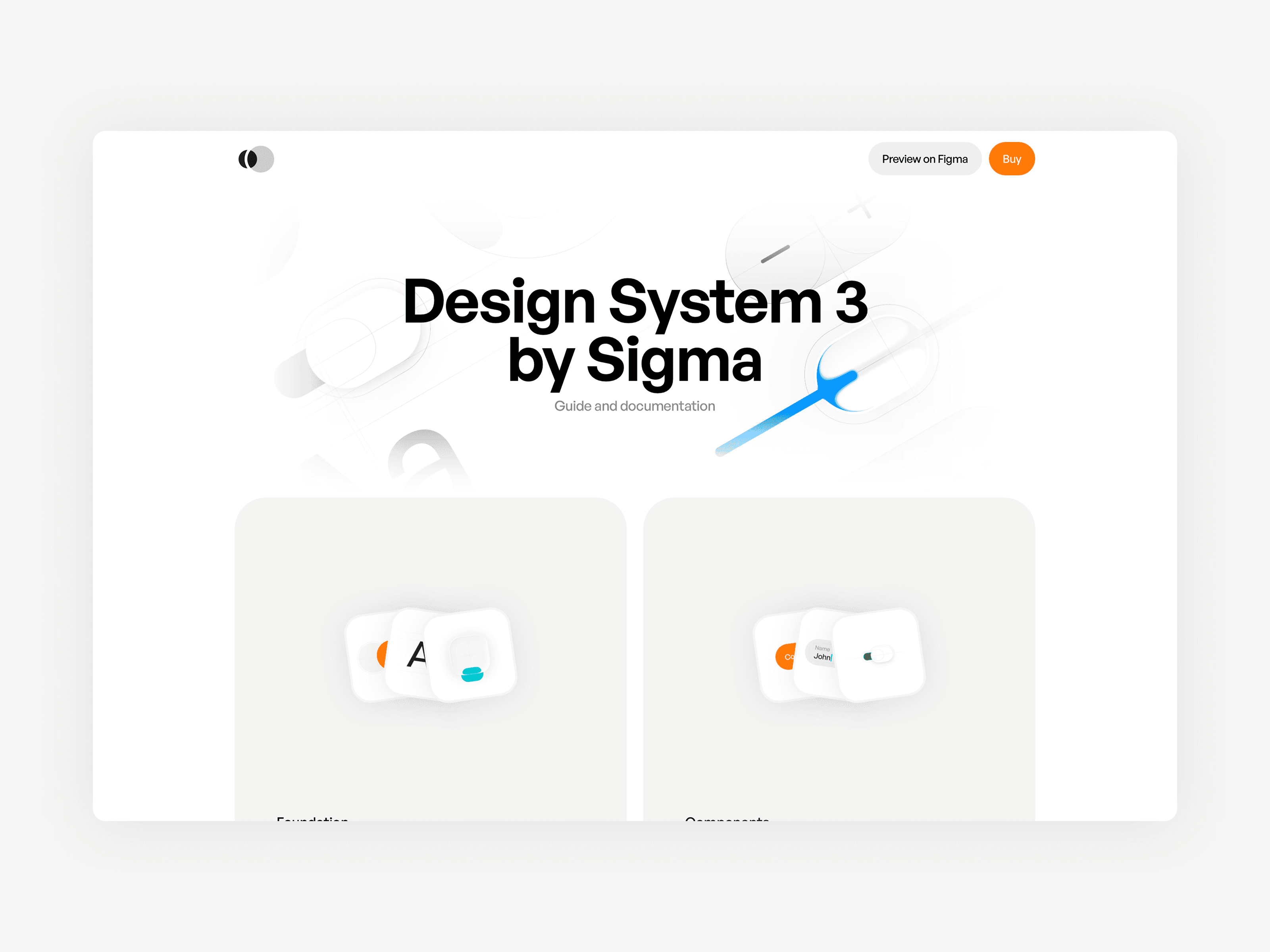
3. Design System 3 by Sigma
What it does differently
Sigma approaches documentation as a designed experience and includes the documentation itself on design files as a template.
Every page follows a consistent structure:
Definition
Guidance
Visual reference
Real examples
Components are not shown in isolation.
They’re shown as part of complete interfaces.
Why this matters
Most systems optimize for completeness.
Sigma focuses on:
how everything comes together in a real product
Takeaway
Might be the only one that offers a documentation template too.
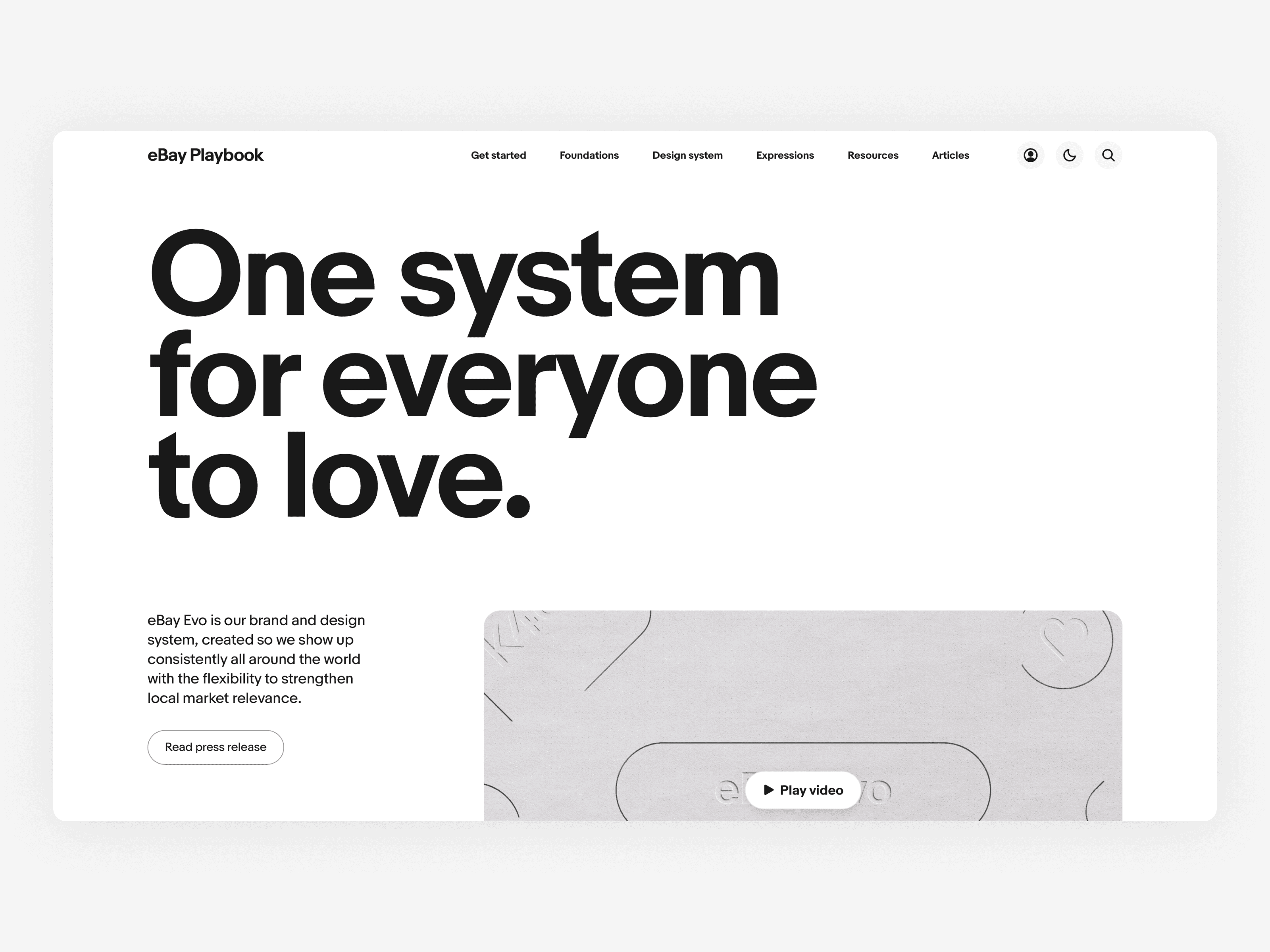
4. eBay Playbook
What it gets right
eBay’s system reflects real-world complexity.
Focus on patterns, not just components
Designed for a marketplace with many edge cases
Practical and grounded in actual product needs
Takeaway
eBay shows what documentation looks like when it’s shaped by real constraints, not ideal scenarios.
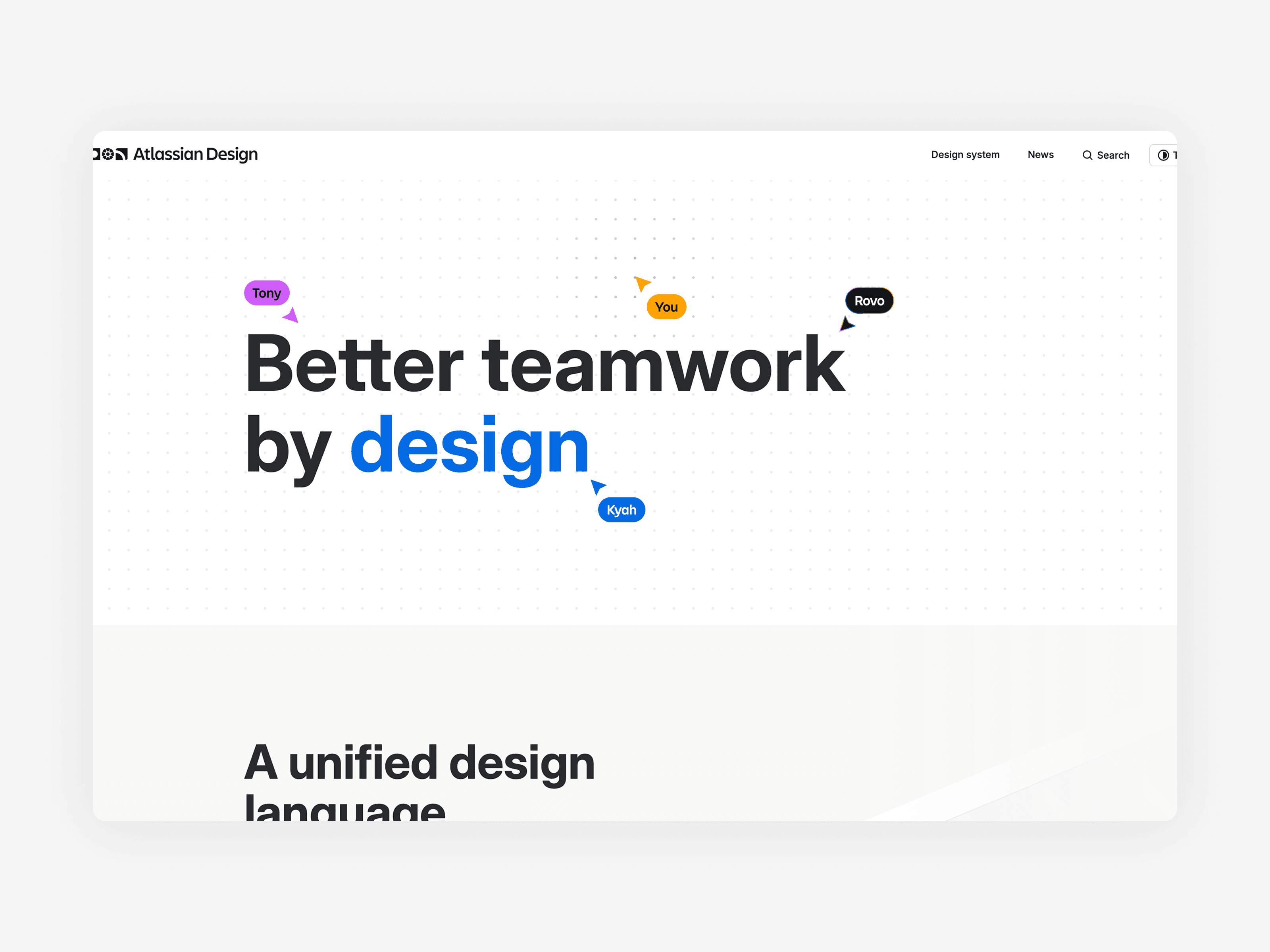
5. Atlassian Design System
What it gets right
Atlassian focuses on practical usage.
Clear guidance tied to real scenarios
Strong alignment between design and engineering
Emphasis on how components behave together
Takeaway
Atlassian is closest to how teams actually work.
It’s less theoretical, more operational.