10 Design Books to Read in 2026
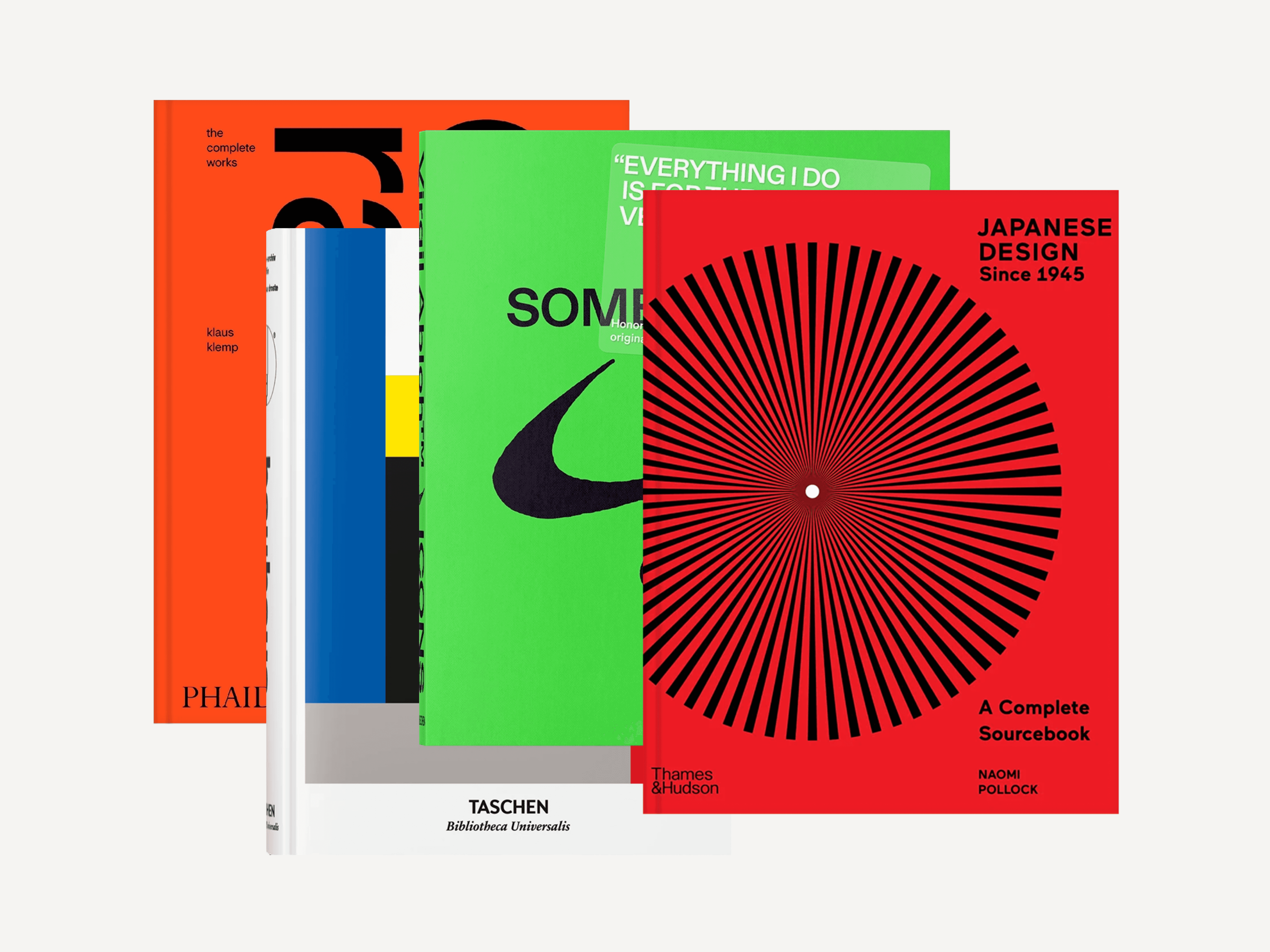
These are the books we keep coming back to. The ones that shape taste, sharpen thinking, and quietly influence every decision we make as designers.
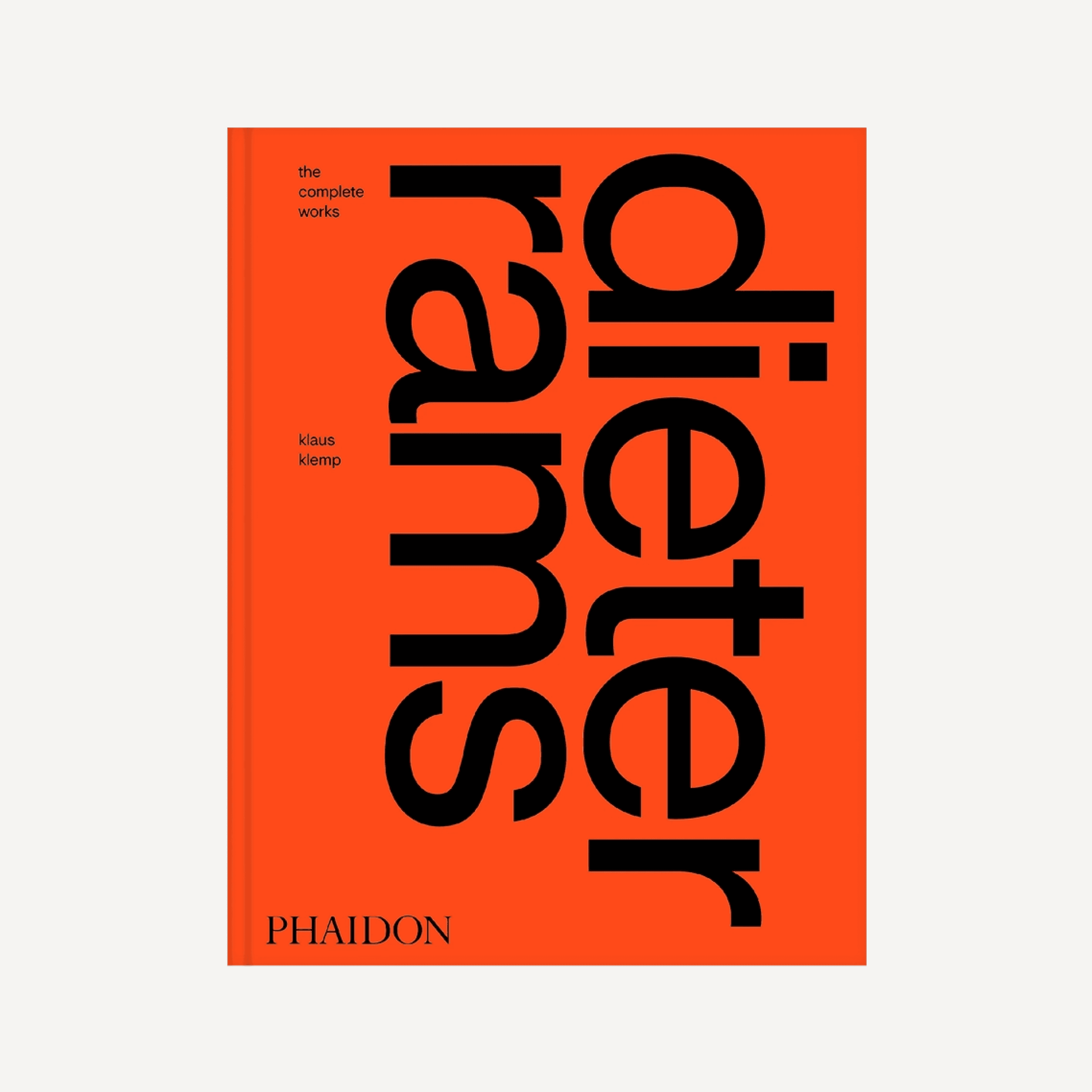
1. Dieter Rams: The Complete Works
A deep look into one of the most influential designers of all time.
Rams didn’t just design products. He defined what “good design” means.
If you’ve ever admired Apple’s simplicity, this is where it traces back to.
Why it matters:
It builds your foundation. Principles over trends.
👉 View
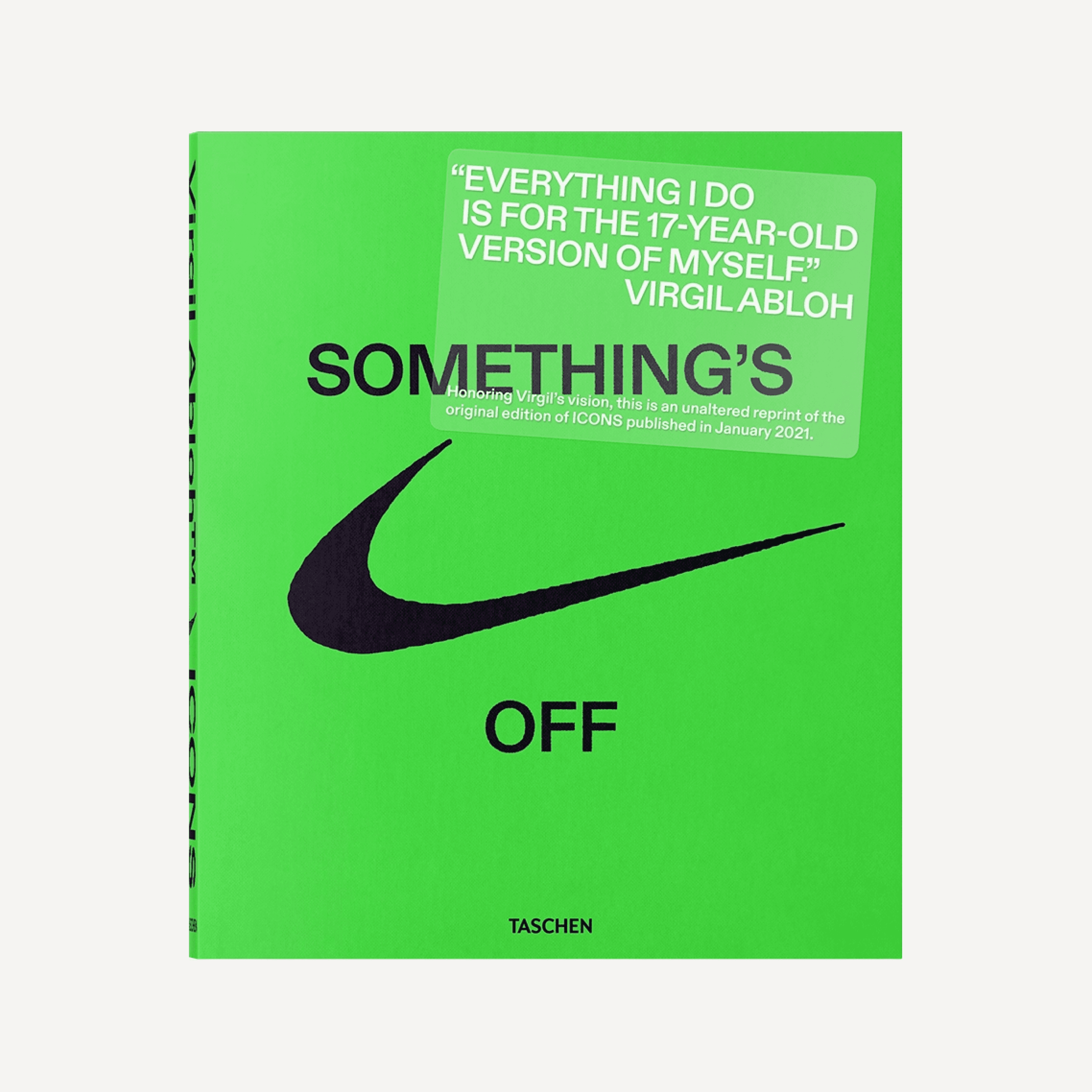
2. Virgil Abloh. Nike. ICONS
This is design as culture.
Virgil blurred the line between product, branding, and storytelling. This book shows how small changes can carry massive meaning.
Why it matters:
It teaches you how to design with context, not just visuals.
👉 View
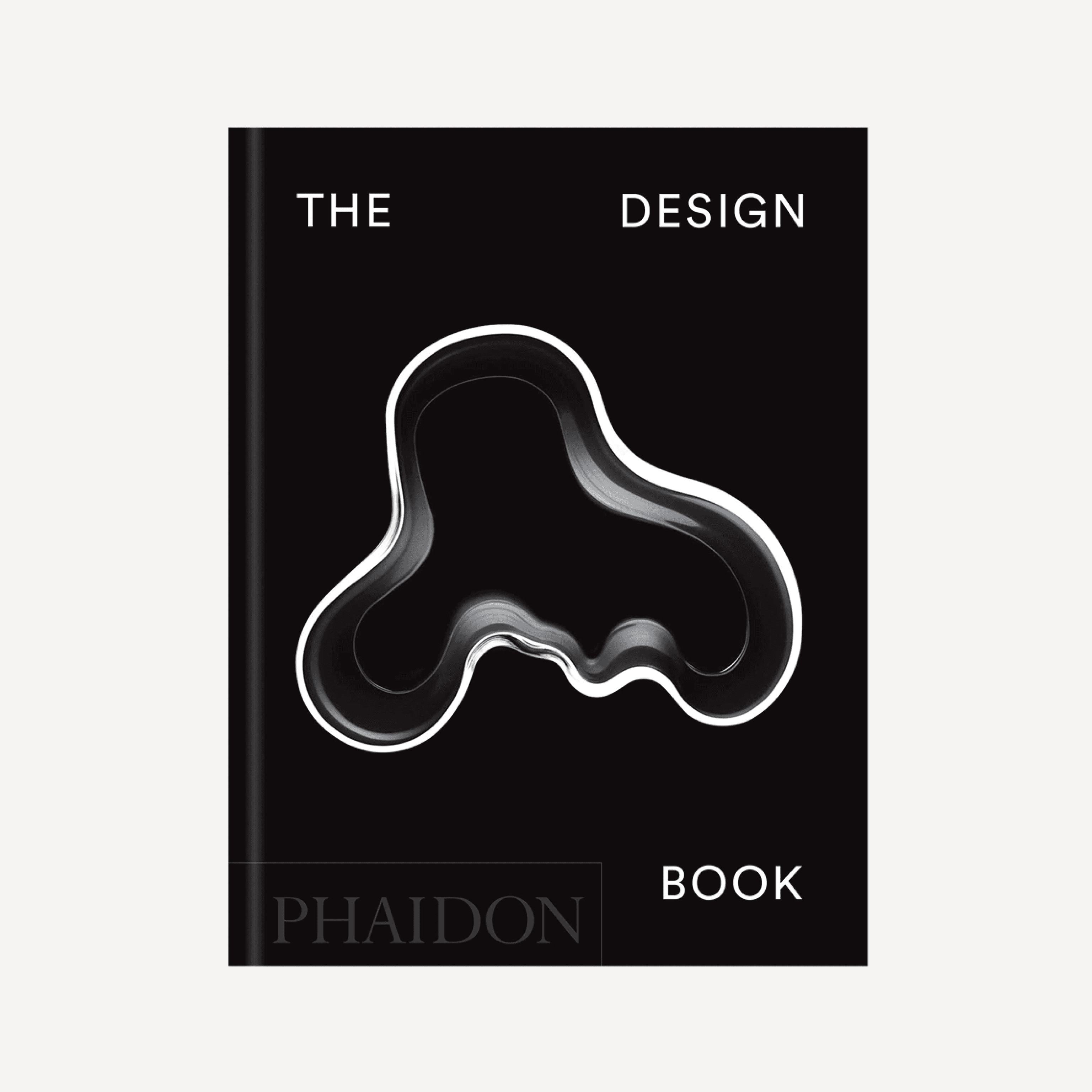
3. The Design Book
A fast-paced journey through the history of design, movements, and ideas.
It’s not something you read once. It’s something you revisit.
Why it matters:
It gives you range. You start recognizing patterns everywhere.
👉 View
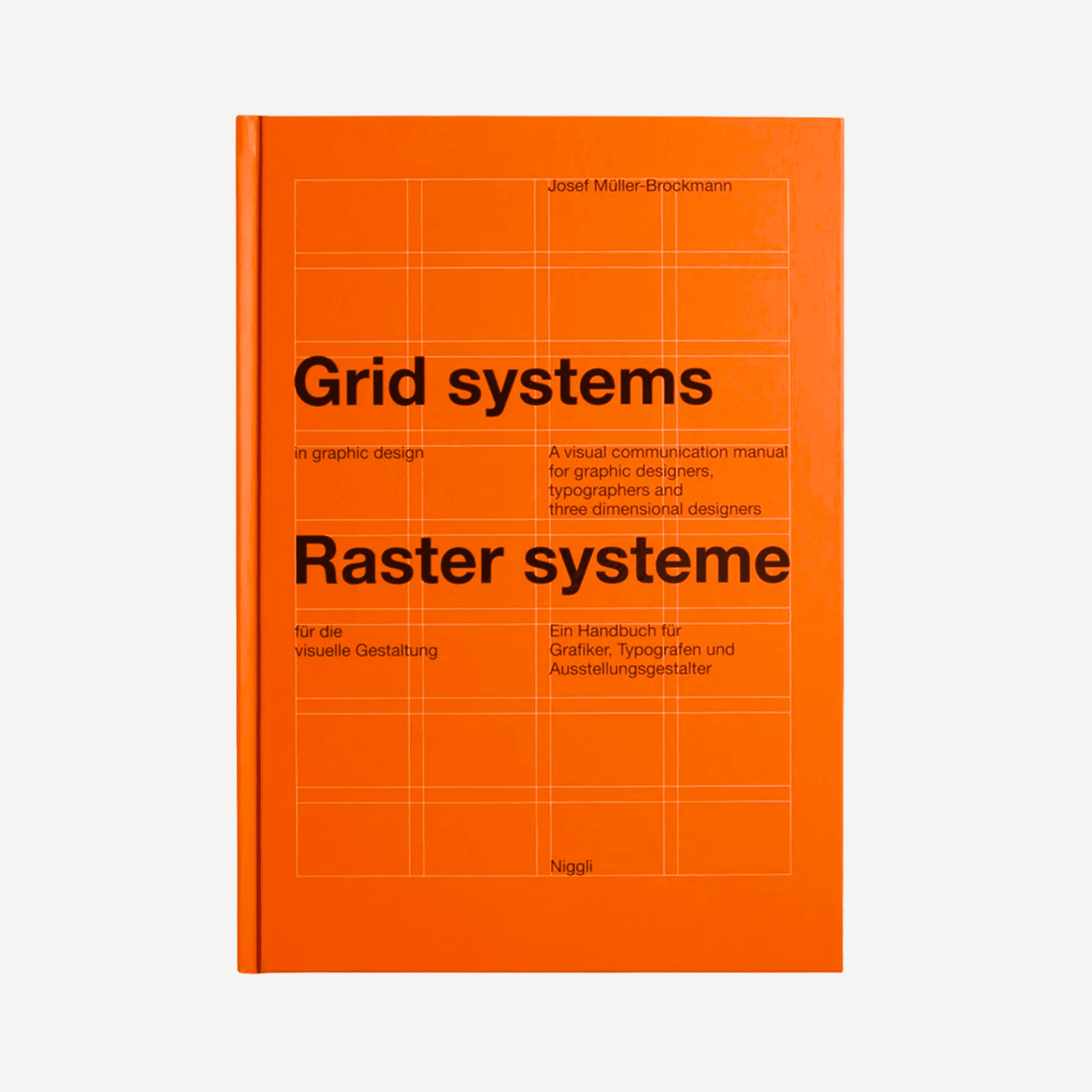
4. Grid Systems in Graphic Design
One of the most practical design books ever written.
It’s about structure. Alignment. Rhythm.
The invisible layer behind every good interface.
Why it matters:
You stop guessing layouts. You start constructing them.
👉 View
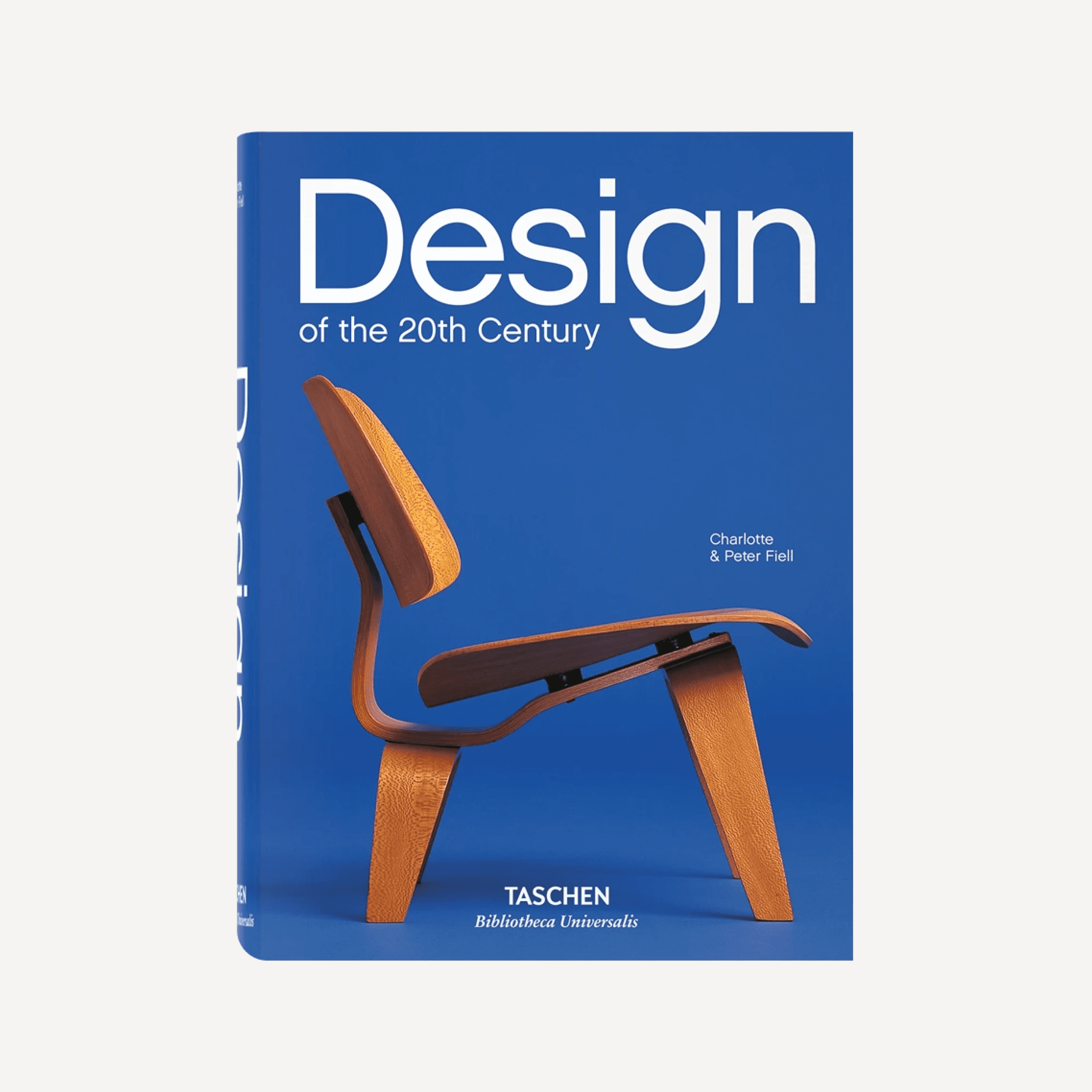
5. Design of the 20th Century
A visual archive of how modern design evolved.
From industrial design to graphics, it connects everything.
Why it matters:
It gives you historical taste. And taste compounds.
👉 View
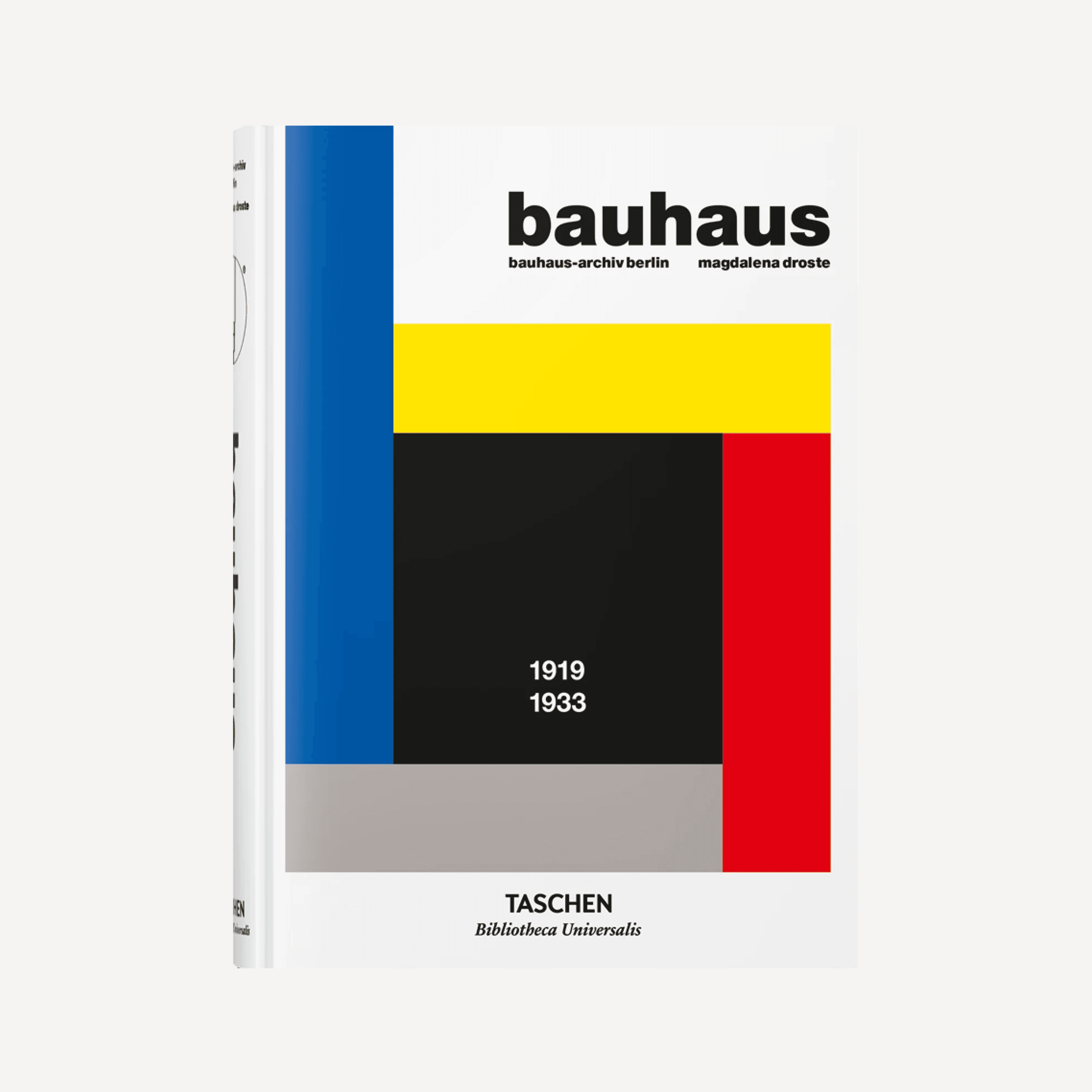
6. Bauhaus. Updated Edition (Magdalena Droste)
Bauhaus wasn’t just a school. It was a shift in thinking.
Form follows function. But also… form communicates function.
Why it matters:
You begin to see design as a system, not decoration.
👉 View

7. Make Something Wonderful (Steve Jobs Archive)
Not a traditional design book.
But maybe the most important one here.
It’s about care. Craft. Obsession.
Why it matters:
It reminds you why you started designing in the first place.
👉 View
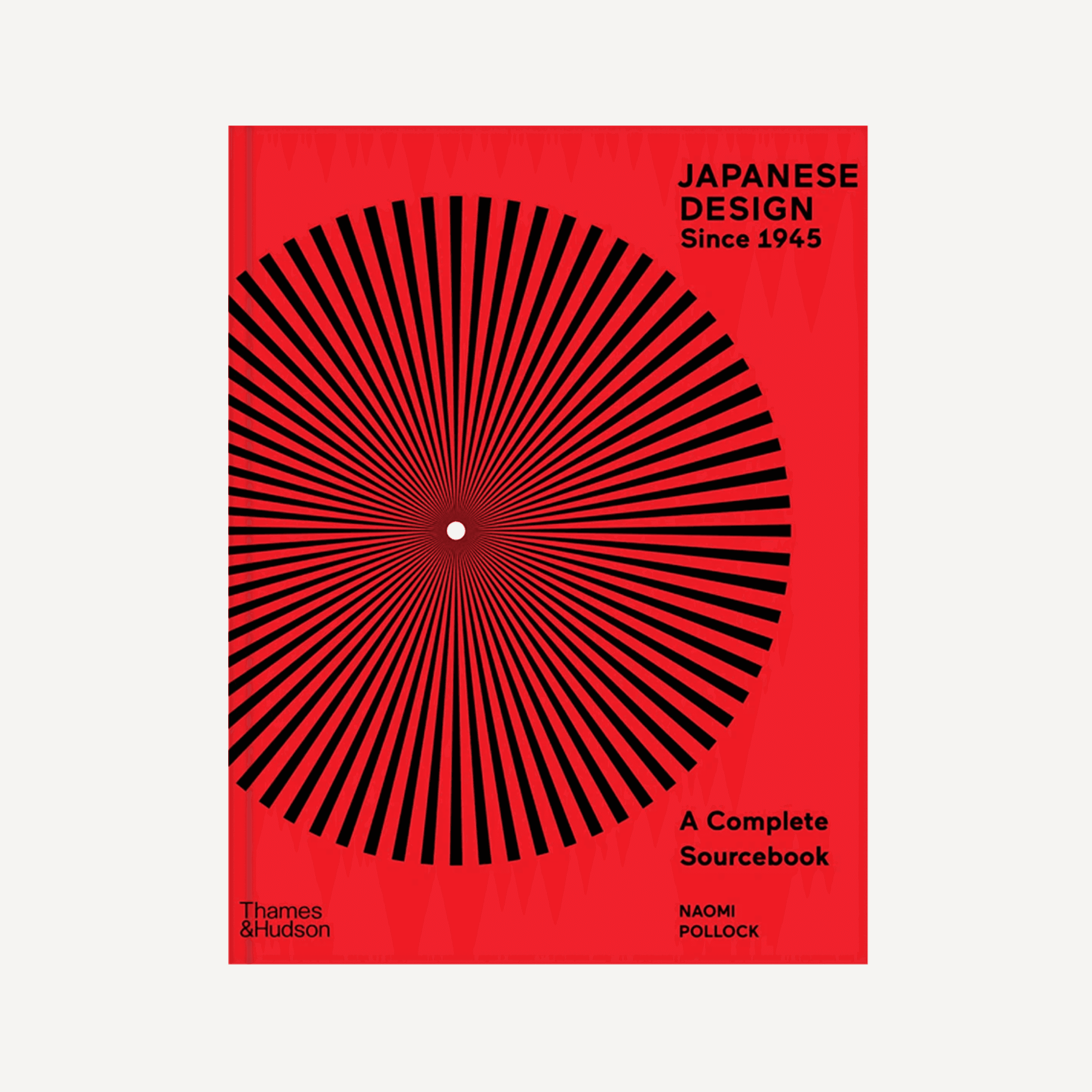
8. Japanese Design Since 1945: A Complete Sourcebook
Quiet, intentional, and deeply thoughtful.
Japanese design teaches restraint in a way few others do.
Why it matters:
You learn what to remove, not just what to add.
👉 View
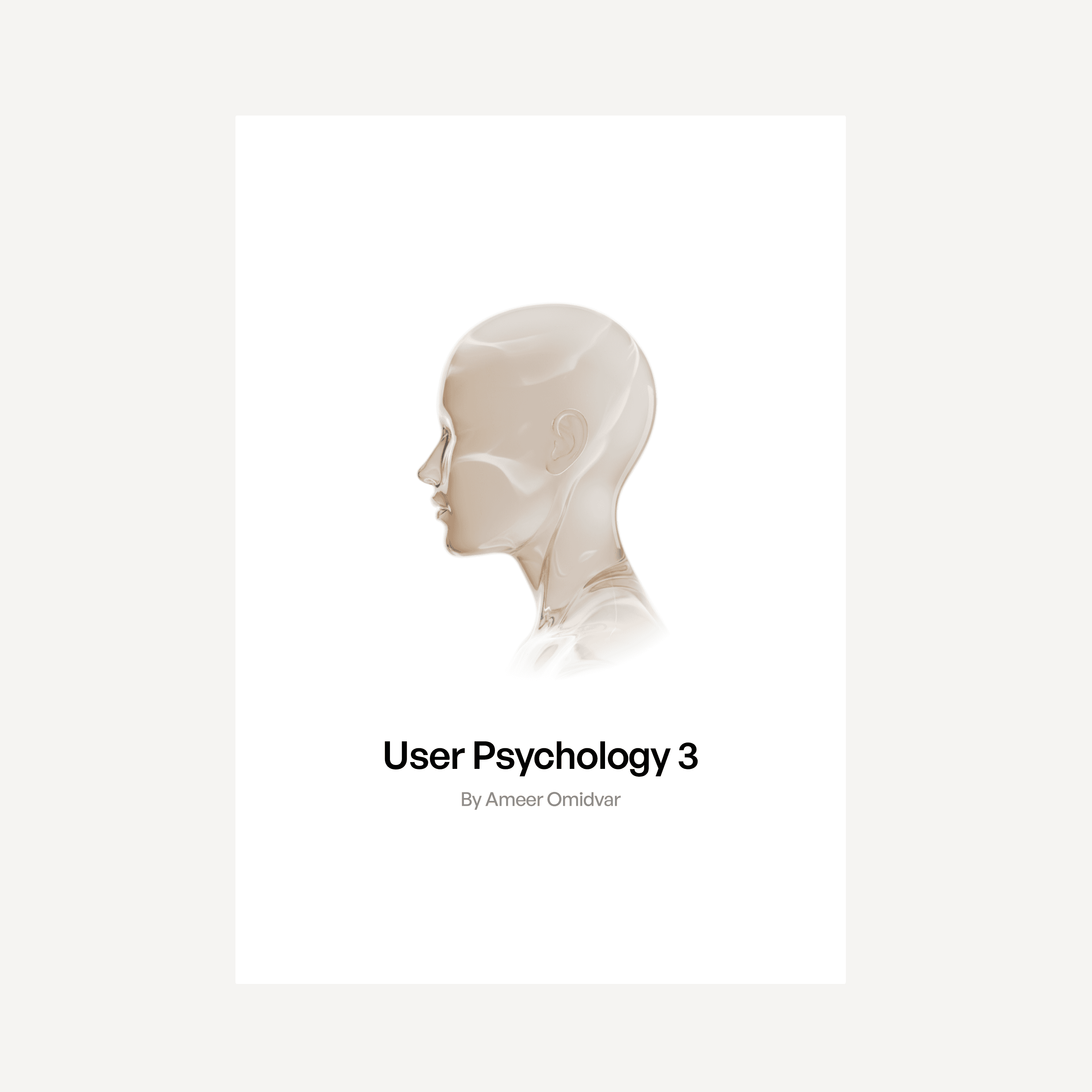
9. User Psychology 3 — Ameer Omidvar
Design is not just how it looks. It’s how it feels.
This book breaks down the psychology behind user decisions and shows how to apply it in real interfaces.
If you’re building products, this one becomes practical very quickly.
Why it matters:
It connects design to behavior. And behavior drives everything.
👉 View
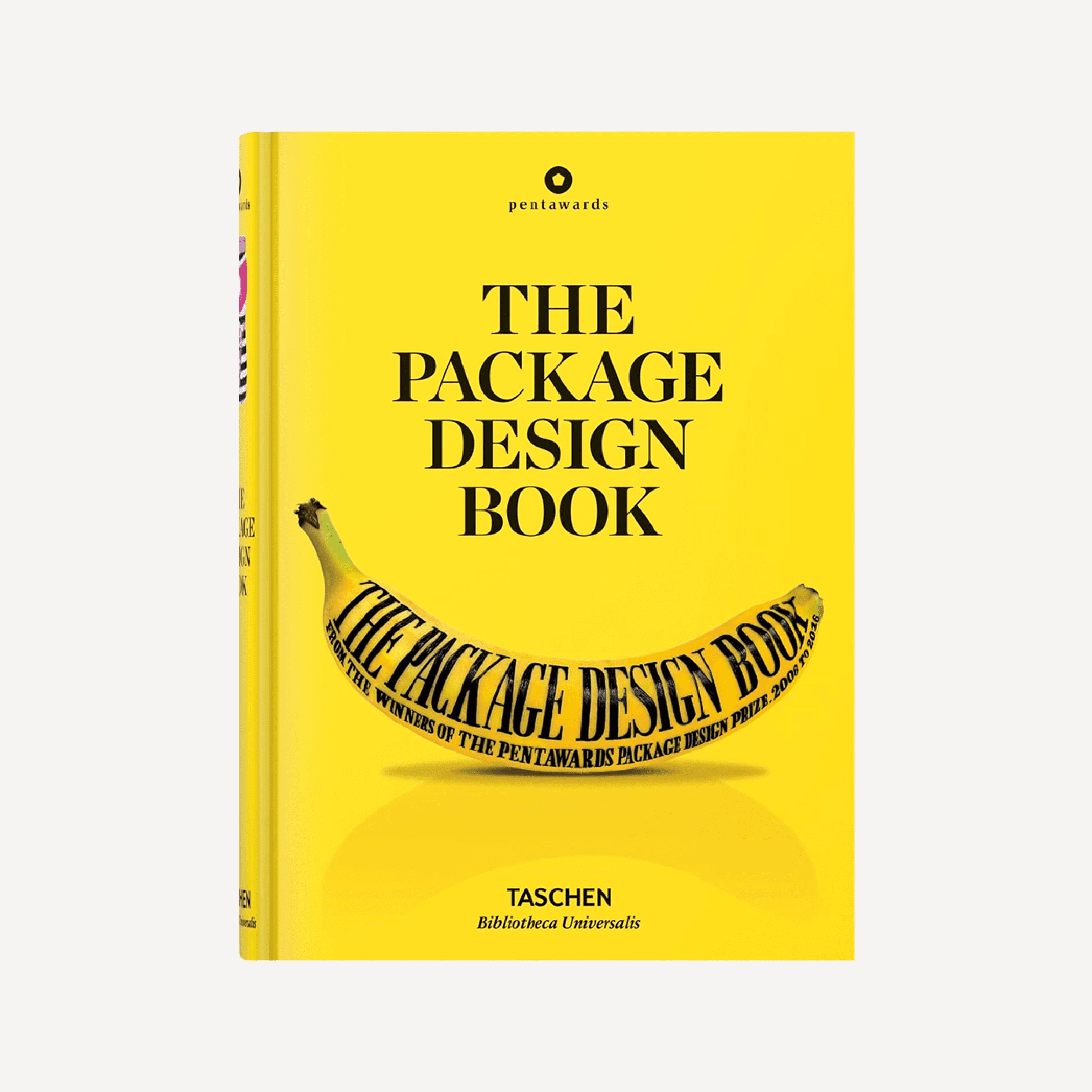
10. The Package Design Book (Pentawards)
A masterclass in first impressions.
Packaging is pure communication. No onboarding. No explanation.
Just impact.
Why it matters:
You learn how to communicate instantly.
👉 View